1. Giới thiệu: Các hạn chế và yêu cầu kỹ thuật trong giám sát mức độ sân than
Tình trạng công nghiệp và rủi ro cấu trúc: Việc tích lũy không đồng đều và dữ liệu không chính xác trong silo than gây ra sự khác biệt tồn kho và tạo ra tải bất đối xứng đe dọa đến an toàn cấu trúc.
Hạn chế của giám sát truyền thống: Cảm biến điểm đơn truyền thống thiếu độ chính xác và khả năng phục hồi môi trường cần thiết để giám sát an toàn liên tục, toàn diện.
Sự thay đổi tiến hóa trong các công nghệ cốt lõi: RETTAR 3D Laser LiDAR và 3D Millimeter-Wave Radar đã nổi lên như hai công nghệ chính xác cao chính để giám sát tồn kho than.
Lựa chọn kỹ thuật phù hợp dựa trên điều kiện lưu trữ cụ thể cung cấp hỗ trợ dữ liệu có thể định lượng được cho việc kiểm soát rủi ro thông minh và kiểm soát rủi ro cấu trúc.
2. Điều chỉnh kịch bản và lợi thế kỹ thuật cốt lõi của hai công nghệ
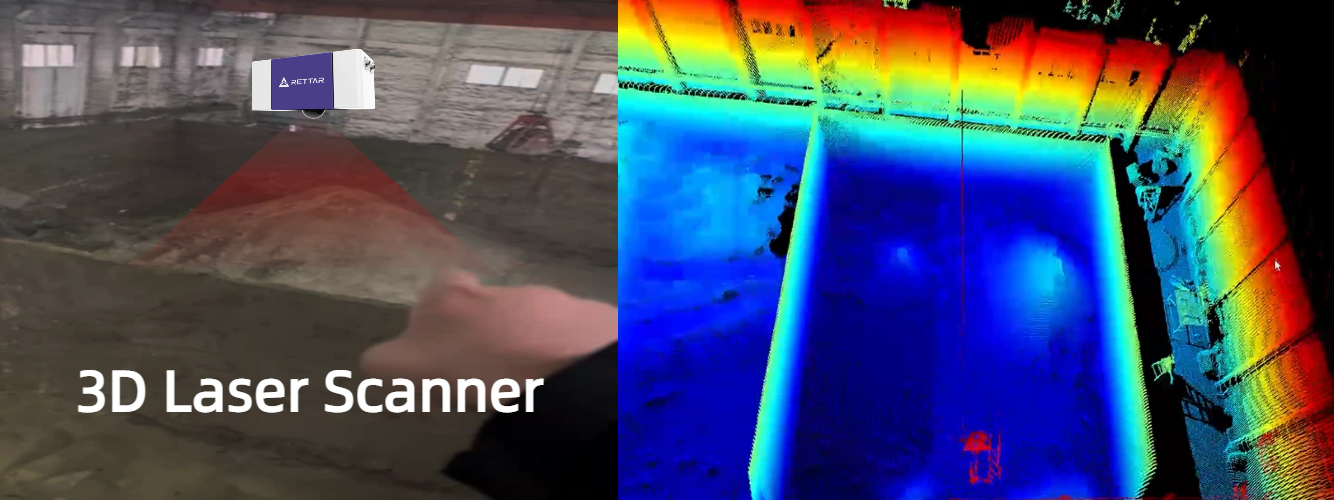
3D LiDAR: Giải pháp kỹ thuật số hóa 3D có độ phân giải không gian cao
Điều kiện áp dụng: LiDAR 3D là lý tưởng cho các kho than hoàn toàn hoặc bán kín, tương đối khô và silo với nồng độ bụi thấp đến trung bình.
Lợi thế kỹ thuật cốt lõi: LiDAR 3D cung cấp dữ liệu đám mây điểm 3D mật độ cao với độ phân giải không gian cao. Điều này cho phép sao chép chính xác địa hình bề mặt tinh tế và hồ sơ không đồng đều của đống than.
Giá trị kỹ thuật: Các 3D LiDAR đáp ứng các yêu cầu kiểm toán hàng tồn kho chính xác cao bằng cách cho phép tính toán khối lượng chính xác và hiển thị hồ sơ bề mặt, cung cấp ranh giới hình học chính xác cho kho hàng kỹ thuật số.
80GHz FMCW Millimeter-Wave Radar: Giải pháp giám sát toàn thời tiết, thâm nhập cao
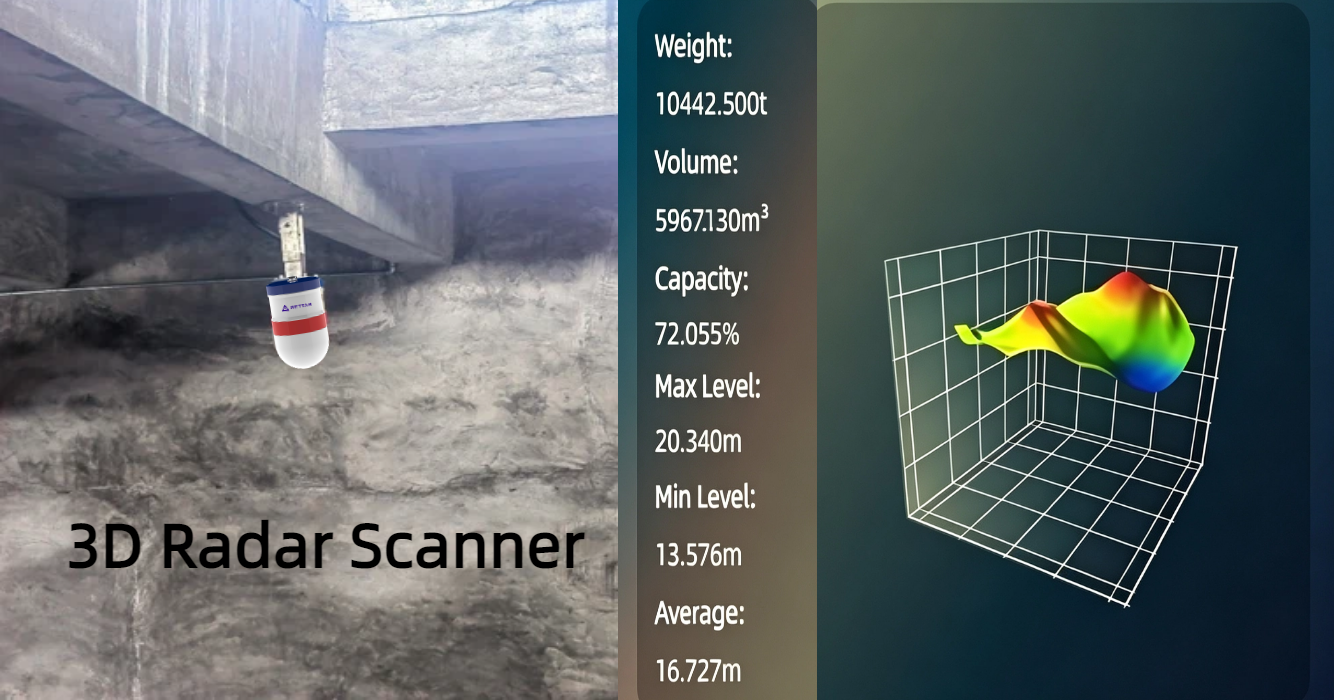
Điều kiện áp dụngMáy quét radar 3D được thiết kế đặc biệt cho môi trường silo khắc nghiệt đặc trưng bởi bụi nặng, hơi nước ẩm và tích tụ vật liệu còn lại.
Lợi thế kỹ thuật cốt lõiSóng milimet tần số cao 80GHz cung cấp khả năng thâm nhập tuyệt vời, không bị ảnh hưởng bởi các hạt trong không khí và độ ẩm.
Giá trị kỹ thuậtMáy quét radar 3D cho phép liên tục quét hồ sơ với bảo trì tối thiểu hoặc không, giảm đáng kể thời gian ngừng hoạt động thiết bị và chi phí vận hành trong khi đảm bảo đầu ra dữ liệu không bị gián đoạn trong điều kiện khắc nghiệt.
Ma trận giá trị chung: Phòng ngừa và kiểm soát rủi ro cấu trúc
Bản sao địa hình chính xácBất kể loại cảm biến được chọn, mục tiêu chính là lập bản đồ chính xác địa hình thực tế của sự tích lũy than, đảm bảo rằng dữ liệu được xử lý phù hợp với điều kiện thực tế.
Xóa bỏ điểm mù: Sử dụng mạng ma trận đa máy quét đảm bảo bảo hiểm toàn diện, giảm độ không chính xác khối lượng và mức gây ra bởi các điểm mù.
Kết quả an toàn cấu trúc: Ngăn chặn hiệu quả tải cấu trúc không đối xứng gây ra bởi sự phân phối vật liệu không đồng đều, loại bỏ quá tải địa phương hóa trên sân than hoặc cấu trúc silo để giảm thiểu nguy cơ thất bại cấu trúc hoặc sụp đổ.
4. Sự khác biệt kỹ thuật và ma trận lựa chọn
| So sánh kích thước | 3D LiDAR | Radar sóng milimet 80GHz FMCW |
| Chi phí bảo trì | Chi phí bảo trì cao đòi hỏi phải làm sạch thường xuyên tại chỗ | không bảo trì |
| Lợi thế cốt lõi | Độ chính xác siêu cao, đám mây điểm mật độ cao, tái thiết địa hình tinh tế | Sự thâm nhập mạnh mẽ, chống bụi và độ ẩm, hoạt động mọi thời tiết không cần bảo trì |
| Điều chỉnh môi trường | Tối ưu hóa cho môi trường khô, bụi thấp, thông thường. | thâm nhập cao; khả năng chịu bụi cực đoan, độ ẩm cao và hơi nước. |
| Các ứng dụng chính | Đếm hàng tồn kho chính xác tĩnh, lập bản đồ địa hình 3D | Theo dõi mức độ dài hạn, giám sát động, cảnh báo sớm an toàn cấu trúc |
5. Khuyến nghị lựa chọn
· Đối với các kho vật liệu bán ngoài trời, hoàn toàn ngoài trời, ít bụi: 3D LiDAR là lựa chọn ưa thích.
· Đối với silo và kho vật liệu dễ bị bụi lớn: radar sóng milimet 3D là lựa chọn ưa thích.
Hai công nghệ này bổ sung chứ không trừ lẫn nhau. Cấu hình lựa chọn và triển khai cảm biến phải được tùy chỉnh dựa trên các thông số cụ thể của trang web bao gồm nồng độ bụi, mức độ ẩm và hình học vỏ.
Không chắc chắn liệu nên chọn Radar 3D hoặc LiDAR 3D để giám sát hàng tồn kho than? Liên hệ với các chuyên gia của RETTAR thông qua WhatsApp hoặc email để có được giải pháp đo lường cảm biến 3D tùy chỉnh của bạn.